Showing posts with label commercial photography. Show all posts

November 9, 2018

Breakfast Fun - Cereal!

Do you ever just want to do what Jerry Seinfeld did- eat cereal all day long? I do, and as the "cook" in the family, the simplicity of pouring two things in to a bowl and eating a nutritious meal sounds very appealing most days. These days there are so many fun things you can do with cereal too- bowls, bars, even toppings! Big thanks to Pinterest for all the fun ideas!


March 6, 2018

Thought Provoker-Riley Johndonnell

FINDING PURPOSE, COLLABORATION, COLLECTIVE SPIRIT, OPTIMISM AND CREATING TOOLS TO ALLOW PEOPLE AND BRANDS TO FIND THESE THINGS


When I first laid my eyes on an issue of Surface Magazine, I was blown away by the innovation, the graphic design, the photography, the styling and the content in general. I only wished I could be a part of such a project. I sent the magazine a promo card (this was when I had just opened my studio) and didn’t let myself even hope. I was thrilled when I heard back from them, not only from them, but from one of the publishers, Riley Johndonnell. Turns out Riley was not just a co- publisher, but founder, creative director, designer, editor, stylist, writer, publicist. There was nothing that he didn’t do. During my first meeting with him, he explained why he responded to the images that I sent him, images which later got into the coveted CA photo annual. Coming from years of studying art at RISD and Chicago Art Institute and growing up with my Creative Director father, I was used to hearing creative commentary, but Riley was different. The things that came out of his mouth seemed new, exciting and ahead of his time. I was hooked. I needed to work with such a creative no matter what. I snapped up every assignment that Riley threw at me, I jumped at the chance to be on staff at the magazine, to get a view of how they created content and how they promoted the magazine. From the beginning, the magazine was aligning itself with high end brands and causes. They threw the most dazzling events that promoted not only the magazine and the brands that supported it, but the causes they cared about. All the while having a blast and working insanely hard 24/7. 

One of the causes that Riley felt strongly about was supporting up and coming talent. He launched a yearly issue entitled “The Avant-Gaurdian” showcasing edgy new talent and had launch parties in major cities where big brands could align themselves with the visual “elite”. It drew attention from major fashion brands and launched the careers for a number of those photographers. As much as he gave to the magazine, he gave to the people that contributed. He inspired through his passion but also his support of the talent he recruited. 

After he moved on from the magazine, he was pivotal in creating what was to be known as the Surface Hotel, a hotel that partnered with brands to create inspiring, cutting edge hospitality in the up an coming LES neighborhood of New York. It later came to be known at The Rivington.

From his expert branding work with Surface, Riley moved into work that was more civic minded. He rolled his tremendous following into social media success for events that promoted such causes as gay rights and sexuality to his current project/ movement UMEWE ( you, me, we) INTO YELLOW- promoting/ teaching optimism in public events throughout the country. His efforts are in part meant to bring awareness to the epidemic of depression our country faces and seeks to show people how to see themselves as part of a larger whole and thus work and think collaboratively rather than so much about I and me. He consulted with Wework early on on this idea. He has partnered with Pantone to create a certain color of yellow that promotes positivism.  The NY Times recently covered a story about Yale’s most popular class being one teaching optimism. Riley has his finger on the pulse. That is why I look to him to hear what he is up to to be inspired, to tell him what I am up to and hear his thoughts. Riley is a good friend and a mentor, one who continues to bubble up ideas a mile a minute that are well ahead of their time. I asked Riley some questions about his story, his path, what inspires him, how he creates and what he looks for in a photographer, writer, and stylist.  His comments formed more of a story of sorts.


In college, Riley was studying fine art and art history but quickly became interested in crisis PR. Along with his interest in art and design, he realized that he was a social activist deeply concerned with equality issues. He focused on learning how to do “INFORMED ART DIRECTION”. He wanted to inspire innovation in innovated ways.  Despite not much exposure to magazines, he became interested in creating a magazine as an art medium (he believed that the message is in the medium and wanted to explore it's boundaries), bringing conceptual art and fine art to this mass medium (even though magazines typically focused on making money). A little like what Andy Warhol did with Interview magazine. He felt that a magazine could be the bridge between art and commerce. Riley discovered a magazine that was tailored to the transvestite community called Surface. He thought the name was appropriate for the message he wanted the magazine to have and re launched it as a fashion, design and automotive magazine. 

Riley wanted the magazine to talk about style, but style as democratic form of social currency, not just fashion that you can just buy. During his time as publisher, editor and creative director/ designer of Surface, Riley focused on making it a tool to inspire people, rather than the money making “aspire” verb, which he felt magazines used to get people to want material things that they might never be able to acquire. Making the magazine a tool (which is something that he still does today) for others to have to create, gain exposure and be heard. That was why he launched the Avant- Gaurdian concept, assigning fashion shoots to young, unknown photographers and getting big fashion houses to lend them clothing for their shoots, taking a huge risk on these unknowns. Riley felt it was important to give exposure to the young artists, to give them a chance to be heard. When he felt that the magazine was becoming too much about aspiration and material desire, rather than inspiring ideas and collaborations, Riley decided to move on to other things. At that time he felt that the future in magazines was going to be about readers creating their own content- and the magazine being a true collective and form of collaborationAt the time, Surface wasn’t ready for these ideas. Soon however blogs and social media emerged which were exactly what Riley had been talking about- reader driven content. Now there are “influencers” rather than editors. These influencers are even curating content that other people are making- more of the collective collaboration idea. 

When I ask Riley what he searches for in artists and writers to hire or work with, he segways into the idea of synchronicity. When he comes across work or others come across his work, and both seem to align then it is a good match for collaboration.  He feels that branding is somewhat over, that no idea should be own-able by one entity, that things are moving towards people with positive intentions collaborating to make an impact. He notes that the only way to solve problems is though collaboration and that optimism is an underlying drive that we are already engaged with. He adds "it isn’t just about aesthetics anymore but purpose and meaning. "

Below is some of Riley's award winning work for Surface Magazine, as well as some of his branding projects with clients such as Lexus, Mini Cooper, European Trade Commission, Levis, Vueve Clicquot and Lafitte Restaurant (a collaboration that I was part of) as well as some of his automative work, product design (sinks) and trend forecasting work. 


July 26, 2017

An Assignment that Hits Close to Home


Many people know me as a photographer specializing in food, but I also have a series of fine art landscape photography that I have been shooting over the years. I  have gotten a lot of satisfaction shooting this work as it allows me to get outside and really work with light, color and form in the context of a landscape. It was a wonderful surprise when a valued client who normally hires me for my food work, asked me to shoot some of my landscape work for an interior design project. It wasn't just any project, ironically enough the redesign was for the radiology department of Mass General Hospital in Boston. This is the hospital that my mother, who passed away from Breast Cancer, spent a good 20 or so years of her life on and off, getting screened, diagnosed etc. I was very excited to think that my images could be used to help create a space in which would help soothe a patient, like my mother, who might be feeling stressed by being in a hospital setting and the thoughts of being ill. I applauded the center for wanting to create this spa like setting for their patients and to understand the power of artwork, and landscapes to inspire and hopefully heal.

Two weeks ago, I travelled back to Boston and spent a number of days shooting around the area. I was up and out shooting the Charles River at 7am, ferrying out to some of the many islands in the Boston Harbor, driving out to historical Concord to shoot Walden Pond and Great Meadows. I was hired to come and shoot Boston, but in a way as not to be too specific with the imagery. It has been a very interesting assignment to say the least. Very emotional, very challenging and completely inspiring! I have seen some of the schematics on how the imagery  will be used. Some will be large murals behind reception desks, some will be framed pieces near patient areas or even nurses stations. I can't wait to share when it is all complete.

I am so grateful to my client for recognizing my personal work and involving it in such an important project.

March 15, 2017

Collaborating with Fellow Photographer David Martinez to Create Stills and Video for Beer Campaign

A recent project came my way that required stills and video. The project was with an Art Director who I had worked with in the past, who knew my style and thought that I would be a good fit for the project. When a client shows me that kind of support for my work, I will pretty much give up my first born for them. The project grew to require video as well as still work done. While I have shot video before, I felt that I wanted my main focus to be on shooting the stills for the campaign, so I looked for a videographer to partner with. My rep, Heather Elder suggested another one of her photographers as someone to collaborate with on the video portion. I have known David since we both shot for Health Magazine (he shot the yoga shots, I shot the food,) so felt that we would work well together. I like the idea of photographers working together. Here is a few snapshots of the shoot (which was so much fun! Hard work, but so much fun!) I can't share the photo we took just yet!


April 28, 2016

Are Printed Promos Dead? It Seems Not!

There have been discussions for a number of years about how clients ( art buyers, art directors, designers, photo buyers, producers) find out about a photographer's work. Now there are so many ways for them to find work. Current thinking suggests that the printed promo is obsolete. That clients don't like receiving all that mail because then they need to find a place to store it. The computer - and now I would say the smartphone - has done away with the old school method of opening up a file cabinet or box and sifting through all the promos that have been sent.

I send them anyway. I personally still like print (despite the extra time that my team and I spend working with our printer to get the colors and tones just right) I like the physicality of them and I guess so do some of my clients! In fact one of them was sweet enough to send me a photo of his office wall covered in my promos! This blew me away- it made all that work worth while. There is something so validating about knowing that your work is not just selling your client's products, but people are enjoying it as well!


March 3, 2016

Writer Anne Telford Gives a Spin on My Work on The Essence of Wine

By Anne Telford
No less a consumer of alcohol than Ernest Hemingway said of wine:
“Wine is one of the most civilized things in the world and one of the most natural things of the world that has been brought to the greatest perfection, and it offers a greater range for enjoyment and appreciation than, possibly, any other purely sensory thing.”
― Ernest Hemingway
Photographer Leigh Beisch’s collaboration with wine and restaurant blogger Alder Yarrow came through a cookbook referral from noted San Francisco chef and consultant to the restaurant and food industries, Joyce Goldstein. “He wanted someone to partner with for the blog. He’s very articulate and elegant. The way he spoke about my work made me feel like I’d be partnering with someone who understood my work,” Beisch explains.
Yarrow’s highly regarded blog, Vinography® details his opinions and insights on “Wine and food adventures in San Francisco and around the world”. Vinography.com has been published daily since 2004, and he was nominated for a James Beard Award in 2013.
vinography.com
Together Yarrow and Beisch collaborated on a wine book that is startlingly unique. To round out the project, Sara Slavin, who frequently collaborates with photographers, designers and publishers on editorial projects, and has co-authored numerous books.  Sara was brought in as an art director/stylist. “We have similar feelings about work. We view our jobs as not just jobs but work we are passionate about,” Leigh says. “Sara put in a lot of leg work, we tried to create photography that went beyond the expected shot of these flavor essences of wine. We tried to capture that taste, that aroma.”
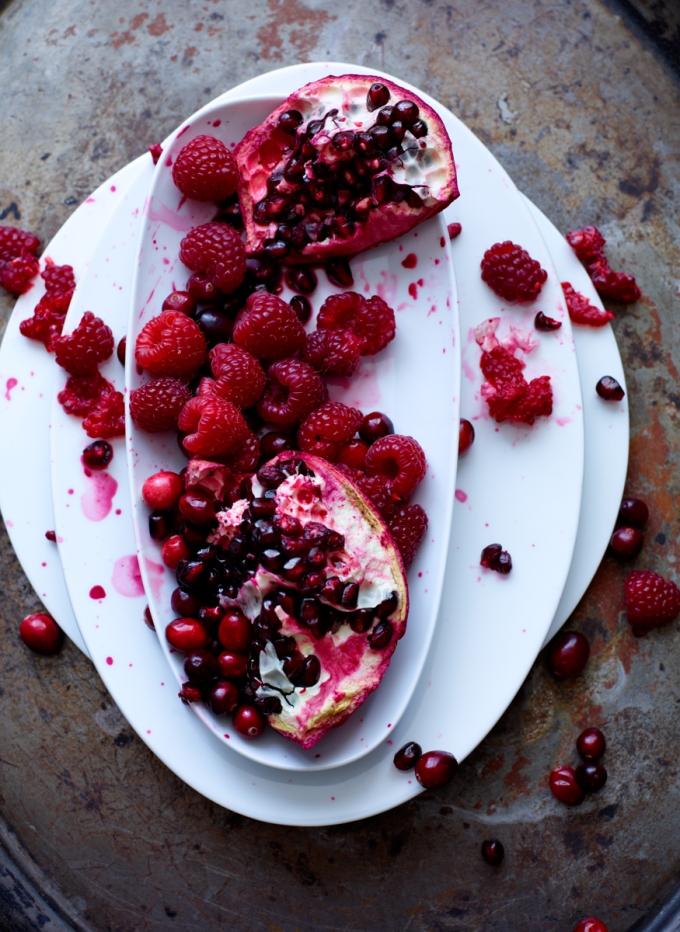
Winner of the 2015 Chairman’s Prize at the Louis Roederer International Wine Writers Awards, The Essence of Wine Celebrating the Delights of the Palate is both a comprehensive wine guide, coffee table opus, and an art book so beautifully photographed and styled that one can almost smell the delicious aromas arising from its pages. In fact, the book contains an aroma card that tells the story of wine’s flavors. The Essence of Wine is divided into four groups of the “sensory panoply” wine offers: harvest, garden, terrain, and kitchen, providing inspiration and guidance for Beisch’s approach.
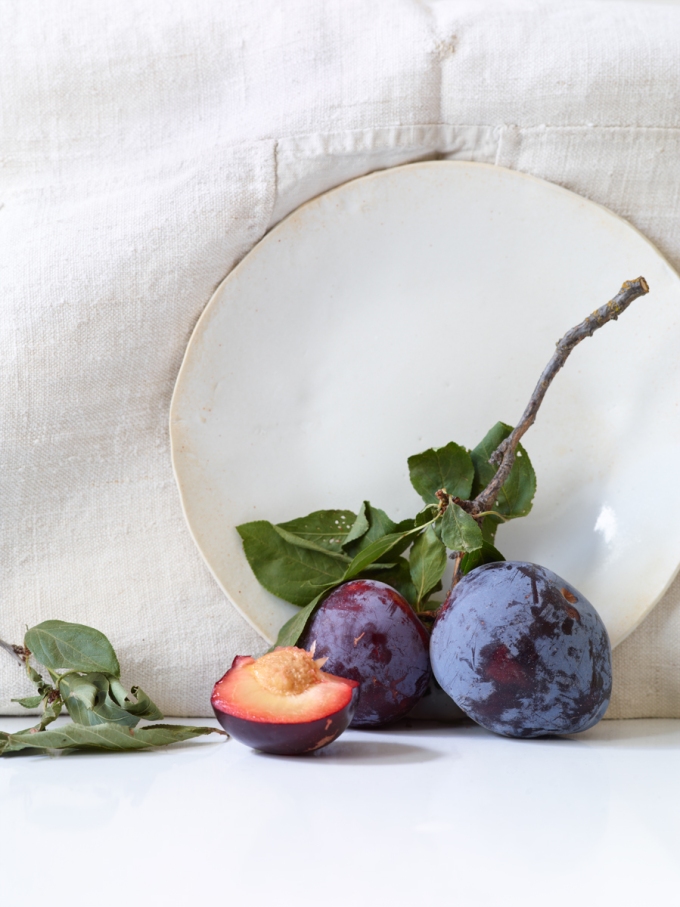
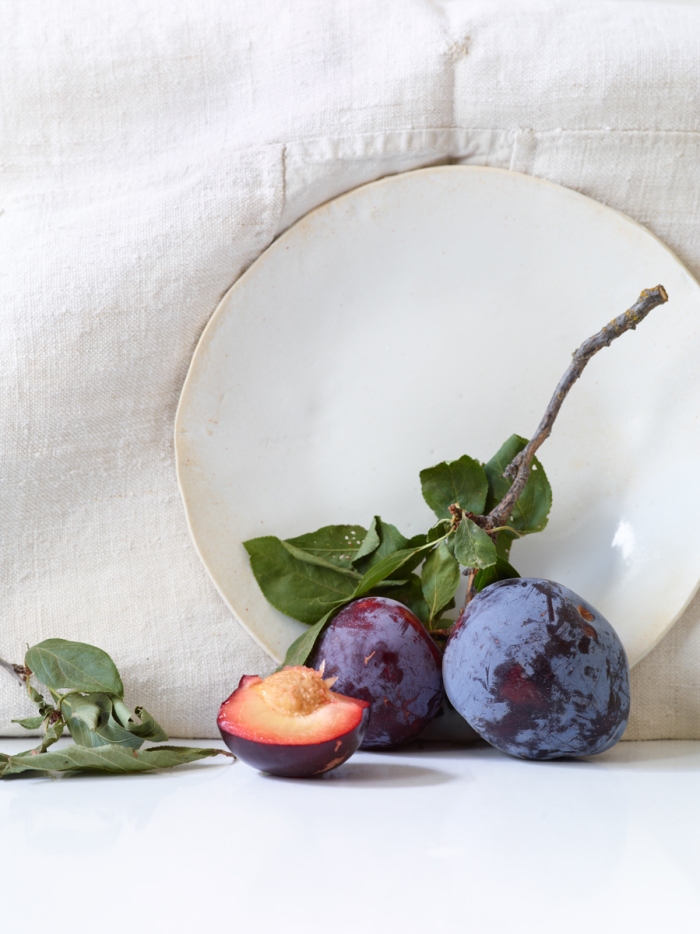
Plums_v2_21661
“I wanted it to be a fusion, something that is personal as well as a product for clients. It pushed the boundaries, but was a commercial project in some sense,” she says of the long-term project.  “Wine is an artistic form in and of itself. Alder brings all the passion that goes into wine,” she adds, and she brought the passion of a fine artist to the project. Trained as a painter, Beisch’s work is sensuous and rich, often appearing more like a painting than a photograph, and always impeccably styled with a light, but sure touch.
“Due to my thesis work at RISD [Rhode Island School of Design], I have been trained to think about how and why I do things,” she explains. “A lot of it stems from being a female artist as well. I allow my emotional response to what I’m photographing play into how I’m photographing it. Food is an emotional experience. Rather than viewing it as subject/object, it’s really an experience.
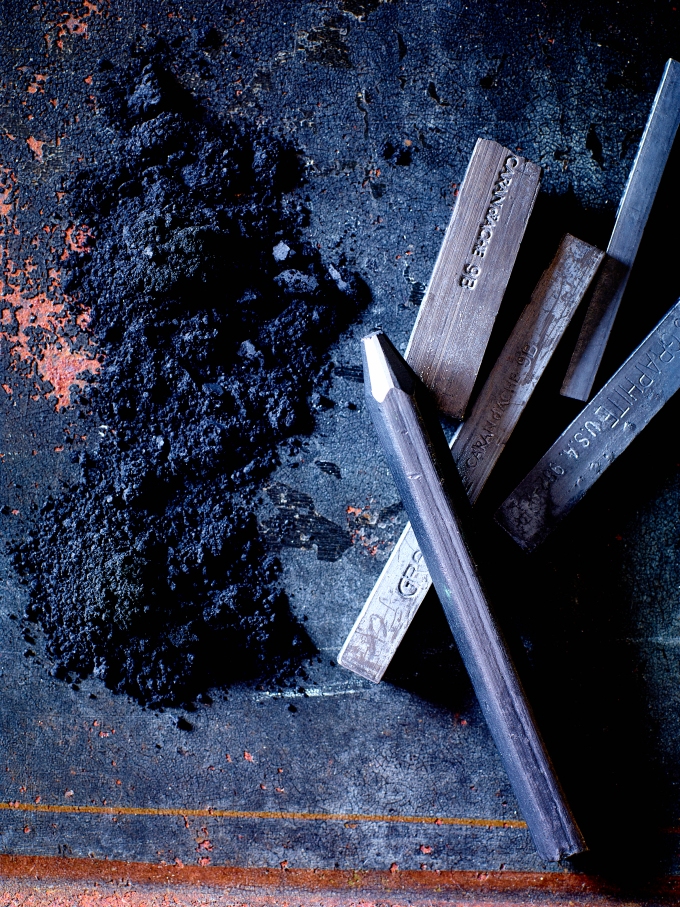
Graphite_33023
“For this project the subjective point of view was more important. That experience you get with wine tasting. I certainly appreciate wines; I am interested in any kind of art form. I talked to vintners about how they made their wines. They are like paintings, these wines.”
Food and drink are two of life’s great pleasures and experiences. The sensual textures, aromas, flavors, and colors of wine enhance its gustatory pleasure. Most oenophiles, or wine lovers, can describe flavors they enjoy; some might be fans of red wine, others favor whites with their lighter, crisper taste. The strict traditions of consumption, and appreciation, of wine may escape the average consumer, and are often seen as arcane and pretentious by the uninformed. This tome offers a chance to acquaint oneself with the components that make up this time-honored beverage and to be drawn into a deeper understanding of wine.
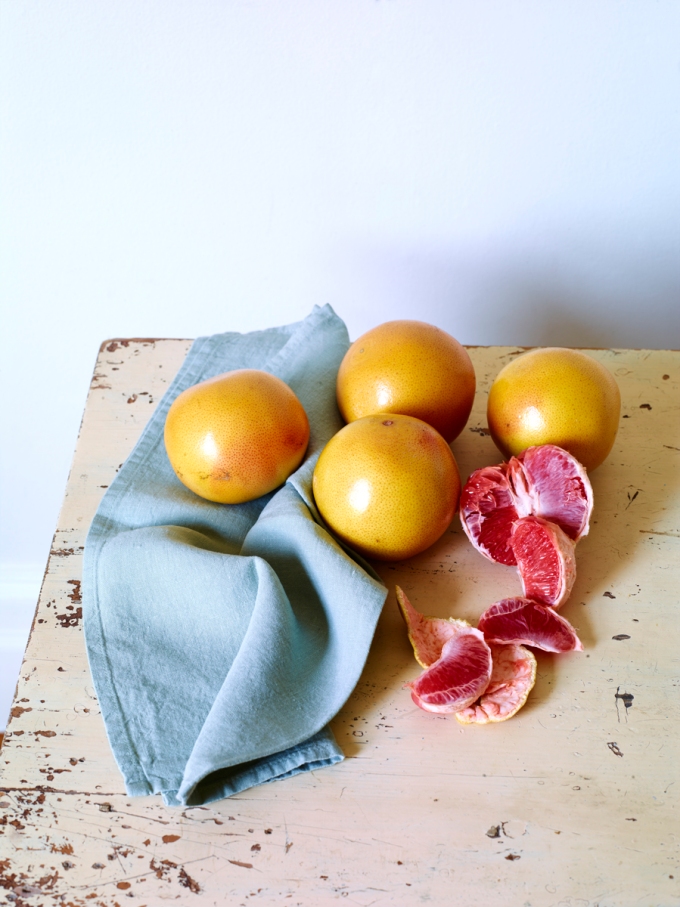
Grapefruit_23896
Using props, textures, and light, and never over styling, allows those natural elements, changes and differences to come into her work. “They are important. They are the subjective part that as an artist you want to bring in. As a human, as a woman— and as a huge consumer —I feel like I reflect a very appropriate point of view that works with the consumer market,” Beisch details.
When I first started in commercial photography, as a fine artist I tried to challenge things. Why do all the labels have to be in focus? Why does the wine have to have no studio lighting reflections? Why can’t it be dappled, or highlighted? It seems more energetic and exciting, questioning those things,” she says.
When one discovers Beisch’s background, it’s no surprise that she challenges and examines conventional wisdom. Born in New York to a poet mother and creative director father who worked with photographic luminaries like Diane Arbus, Irving Penn, and Richard Avedon, she was encouraged to pursue photography. Her father’s work brought his family to London, and eventually back to the States. “He got a gig heading up an agency in the Boston area. My mom started going back to school at a Harvard extension,” Leigh says. Concord is where she grew up with stories and ideologies of nature and art.
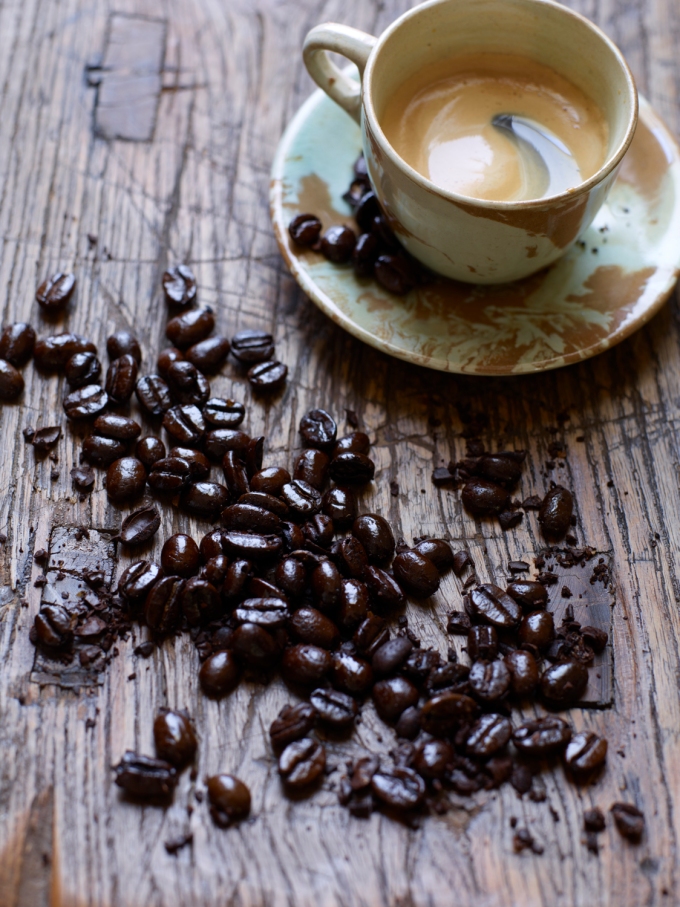
Espressoandbeans_18499
“My mother was writing poetry on her IBM Selectric in the dining room,” she remembers. “Hearing her always reading poetry aloud, brought us up in this world of seeing things in different ways—looking and savoring each thing around you, turning words into images and vice versa. “
David Williams, in his review of the book for The World of Fine Wine, lavished praise on Beisch’s photography: “The essays alone conjure a vivid sense of each flavor or scent. Combined with Beisch’s photos, the experience is gorgeously sensuous. A series of still lifes, they could so easily have become repetitive or have lapsed into the clichés of stock photography or an upper-end food-store catalog. But Beisch, while stamping the book with a recognizable signature, invests each image with its own personality, texture, and feel. Like the prose, they stand on their own. Together, they make for a highly original and pleasurable experience.”

The Essence of Wine
 isn’t a book you would take to the store to help you select wines for an important dinner party. It is a book you can cradle in your hands and peruse the way you would walk through a museum gallery, stopping to admire and study certain compelling paintings. Beisch’s preference for natural light shows to great advantage when focused on sensual still lifes of elements that fuse together to create wine, that elixir that has been celebrated in art, song, and poetry for millennia.
(The book is available from Blurb (www.blurb.com) for $75.)
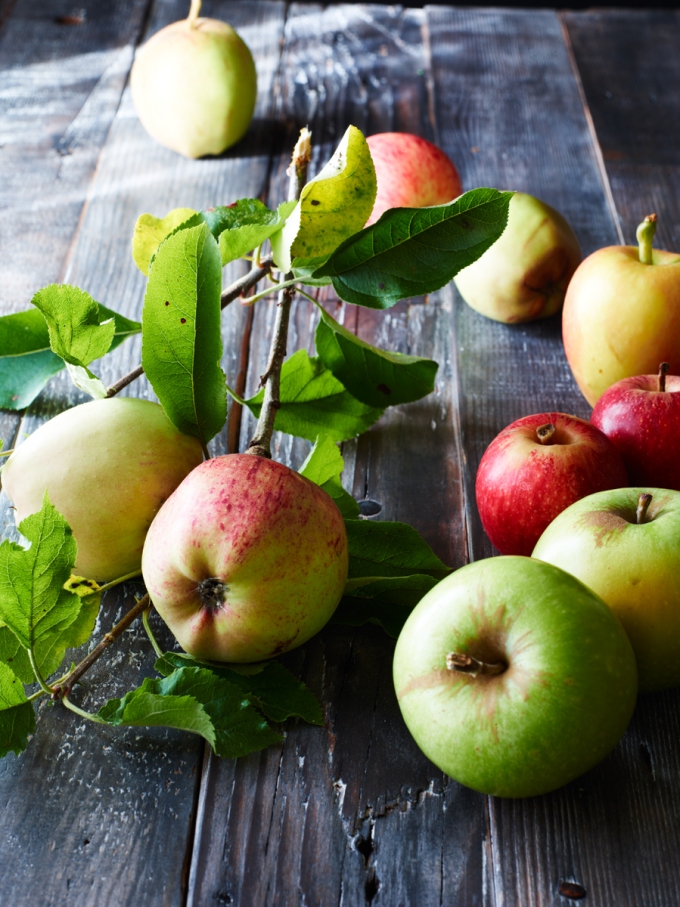
Apples_23426
www.vinography.com

February 11, 2016

Thought Provokers- Jim Carlton

An image shot in China from my personal series entitled Bodies of Land 


 It is essential for artists to recognize who or what has influenced them during the course of their career. Taking a breath to look inward and recognize those people or things lets an artist recognize what fascinates them, what motivates them to create and be passionate about their work and what they are trying to say with it. 

As a commercial photographer, I have had the opportunity to work with a tremendous amount of talented creatives. I would have to say that most of them have had an impact on my thinking and approach. There have been a few, however that I had the opportunity to work with early on and still collaborate with to this day in one way or the other, that I feel I need to call out as true thought provokers for me.

Jim Carlton

I first worked with Jim when he was ECD on the McDonald’s account at Frankel, a retail design and promotions agency in Chicago, that later became Arc World Wide.  His group approached me about starting a relationship shooting for McDonald’s after they had seen a promo piece I had sent them. Since that first shoot, I have had the benefit of Jim’s trust and endorsement. His encouragement and enthusiasm for me and my team’s work was uplifting to us and pushed us to go beyond the expected. I have watched how Jim infects people with his enthusiasm for ideas and get them to do their best work. He brings a liveliness and friendliness to business interactions which result in more creative thinking.

At this time Jim is transitioning from being the EVP, Managing Creative Director at Arc, Leo Burnett’s Activation agency in Chicago, to CCO of Geometry NA, the world’s largest activation agency.  

I had some questions for Jim:

1.What is your passion? Creativity. What excites you about what you do? 

People. In marketing, many people touch the creative and ultimately influence the outcome: clients, account, production, planners, copywriters, art directors, designers, illustrators, photographers, printers and programmers. Getting people to collaborate and align on an idea and then protect and grow that idea thru final execution – pulling off what you set out to achieve as a group - is what excites me.


Leigh and Jim in Hong Kong in for Simple Bold


2. How do you define Branding and how does that fit into how your team/ agency brands itself. As photographers, hell even as individuals we are kind of branding ourselves in social media. Is this what you in the agency world too?

Totally. As individuals, we all want to be perceived a certain way – our best, way. First impressions are everything. But sometimes circumstances or things we say or do can contradict that desired perception. Nothing is more frustrating than being misunderstood. Branding is that conscious effort of controlling how we (individuals, companies and brands) want to be perceived – who we are and what we stand for. I’d say Donald Trump is as aware of this as is Apple or Starbucks.


Jim on set in Hong Kong for Simple Bold Campaign 

3. How is that changing as technology is changing? I don’t mean specific technologies- I know everyone was all about video and now they are all about virtual reality, but how does that change your approach to what yu and your team do? You probably could write a book about this, but is there a short answer?

Yeah. Technology is making everything faster, more interactive and more accessible. As a result, people are becoming more informed, savvy, and selective. Thanks to technology, marketing isn’t so one sided anymore. But brands have to be much more thoughtful with their message and how they interact in people’s lives or be shut out with the click of a button.

Jim and Leigh with Creative Director at the time Matt Denten and Happy McDonald's client


4. To me, you are the ultimate team leader. The one who inspires everyone to kick ass at his or her job. Do you like that role? If so, what do you think makes you so good at it? Do you think your great sense of humor helps with that? I have always loved working with your team because they know how to laugh and laugh and have fun with a project. They know how to get through the difficult times and keep rolling and being creative. That is an atmosphere I try to maintain at the studio and you guys helped me realize how important that is.


Wow, thanks for that Leigh. Leaving Arc for Geometry has given people the opportunity to tell me what they appreciated most about my run as Creative lead for Arc. Overwhelmingly, the word protector would come up - protector of the work, but mostly of the people. I love hearing that because as a manager of creatives, I felt the best way I could add value was to create an atmosphere of freedom and of respect that enabled people to create the way they were most comfortable.


5.  You seem really good at selling off ideas and getting everyone on board with something- that is something I respect a lot. Does that come easy to you?
My dad use to tell me in high school what a great salesman I would be and it would really irritate me. Over my career though, I’ve realized just how important salesmanship can be and how far it’s gotten me. But that doesn’t mean it comes easy to me. I can’t sell anything unless I believe in it. I learned that the hard way.

Jim and his Creative Director Seth Guge hanging out with our digital tech in Hong Kong


6.  What is the best project you have worked on? What made it the best?

The most rewarding project I’ve been a part of would be McDonald’s Retail Identity – Simple Bold. We came to you 15 years ago because of your unique approach to food and how it is photographed and your grasp on digital, which at the time was a hotly debated topic – film v digital. What makes SB a standout is it’s longevity, It has evolved over the years but the same principles we set out to achieve then: authenticity, harmony and clarity, are still in place today. What made it best was being able to launch the work in the US with you and then twice bring SB to other markets like Asia, where you and your team set up a studio and workshops for global agencies to observe how to shoot and execute for SB.

7.  How do you come up with creative ideas- how do you get your inspiration?

Creatives need to be inspired. Inspiration comes from anywhere, music, art, literature, YouTube or each other. One sure way I get inspired to do something cool is when I’m presented with a good insight. Unearthing a human truth that makes you feel something is like striking gold in our industry - it’s a gift on a silver platter – and ours to fuck up.


8. Do you have a specific strategy to pitching your clients with a new concept that you know might be a stretch for them?

The only strategy that works is don’t present something you don’t want the client to buy.


9. What do you value in your “team members?”

Talent isn’t the only requirement when I bring someone onto the team.
I look for people who are passionate about their craft, accountable to the business and each other and most of all I value decent human beings.


10.  What do you think the role of photography is in the branding world?

People want things faster than ever before. Content is exploding and technology gives us unlimited access – we are a scrolling, swiping culture.

A photograph has the opportunity to stop me in my tracks, take notice and feel something amongst all the clutter.


2008 Simple Bold that I shot that was  used for in store and national advertising for their new Asian Chicken Salad.
It was great to be able to use these kind of "story telling" props that showcased the premium quality of the food that McDonald's wanted to convey.

November 18, 2015

Just in Time for Thanksgiving-A Turkey Company Website andSocial Media Update

    "If it doesn't challenge you, it won't change you." 

In my work these past few years there has been greater emphasis placed on assignments crafted specifically for social media needs. Before this, assignments would be primarily focused on Ad work, with social media as a secondary need. Things have changed, and now I seem to be shooting specifically for social media, websites that will attract pins from Pinterest. From that work the agencies will cull which images will work for Ads. Change can be good, and in this case it is. I like this direction as the social media assignments are usually broader in range- meaning larger scale - like a cookbook- so we can approach these shots in an editorial way. We can develop an overall look and feel for the body of work and we can be looser in the styling and compositions since we don't have type overlay to consider.

An example of this is a project that I recently shot for Cargill Turkey. Here is the newly updated website with the recipe photographs I shot, as well as the recent national Ad that is running in magazines like Martha Stewart Living, Eating Well, Cooking Light and Real Simple amoung others.

http://www.honeysucklewhite.com

 Turkey Website Link


June 22, 2015

Thoughts on Food Photography


Sharing an article my rep Heather Elder just posted on her blog Notes from a rep's journal.  Written by a great Contributing writer from Communication Arts, rebecca bedrossian.

A LA CARTE. LEIGH BEISCH ON FOOD


Author:  Rebecca Bedrossian
Think about food and the act of eating. It involves all the senses. Food, tastes, smells, and meals make memories and daydreams. It’s no wonder that food photography is sometimes playful or even provocative, but at all times it’s emotional.
Photographer Leigh Beisch has an eye for color and texture, and it shows in the delicious images she creates. A juicy piece of fruit or a decadent slice of cake expresses much through light and form. These are not picture-perfect, glossy photographs—these are real, delectable still-lifes.
“My clients come to me for a real, approachable look,” explains Leigh. “Authenticity is something I strive for in my work. It’s why I choose natural lighting and a studio that has a home-like setting.”  Leigh says her workspace helps shape her photography. It feels like home, so it’s easier to create shots that aren’t overly stylized. Leigh adds, “Fake food does not fly these days—real food, real moment, real mess!”
From fine art to food
Some say food is a fine art. So perhaps it’s not surprising that Leigh started out in fine art. Her studies at the Rhode Island School of Design and The Chicago Art Institute of Chicago earned her a BFA, not particularly unusual for photographers. But Leigh also paints. After graduating, she continued to shoot her abstract landscapes and produce paintings, all the while building the commercial side of her business.  A number of years ago, she discovered food as a subject and it changed the direction of her commercial work. “A client approached me to work on a new food catalog for Williams Sonoma, it was a turning point,” Leigh says. “I transitioned to food photography.”
Leigh realized that she could apply fine art principles to food. “Especially,” she says, “exploring the humanistic aspects of a subject and how I, as the artist, relate to it.” In layman terms, this means that Leigh found her sweet spot within commercial photography.
Needless to say, she brings this thoughtful approach to food. “How a person views and enjoys food are as much a reflection of themselves as a self-portrait,” she explains. “Food is sustenance, a point of gathering. It encompasses our primal instinct of sharing. It connects and nourishes us! It is a subject matter that goes beyond the material and therefore requires more that just being physically photographed—it needs to be captured in its entirety—emotions and all.”
Leigh’s philosophy on food is evident in her images: “It has a moment when it’s fresh, hot, or frosty cold that evokes an emotional response. Oftentimes, it needs to be shot swiftly and passionately.”
The Essence of Wine
For Vinography, Leigh set out to capture a timeless subject—the essence of wine. Swiftly and passionately don’t apply to a red or white vintage. We let wine breathe, and then we taste. It’s a mindful process.  “I approached these photos in a more studied and painterly way,” Leigh explains. “Not a quick moment, but something well considered and savored. Author Alder Yarrow’s prose reflected this as well, so I created photography that would be a perfect pairing.”  The result is a book that beautifully reveals wine’s fragrant elements and flavors—from pear, oak, berries, and more—in both words and pictures.
Ready, set, collaborateClients want real food. Leigh delivers this and more with the help of trusted stylists she’s worked with regularly. “I consider stylists team members. I choose them for their ‘style’ and vision based on the particular project,” she says. With trust comes an open mind. And Leigh wants her stylists to be part of the creative process. “I want to hear what they have to say and see how it works with what I had in mind—and what a client had in mind—for a particular shot. It’s all about collaboration.” Leigh’s found that not only do the stylists appreciate this collaborative, team environment, but clients do too. It’s all part of the effort to create amazing images.
“The stylists I choose to work with are very well-versed in current visual language,” continues Leigh. “If you show your client you trust your crew, they trust you. That’s all I ask—trust me and my team and we will rock this shoot!”
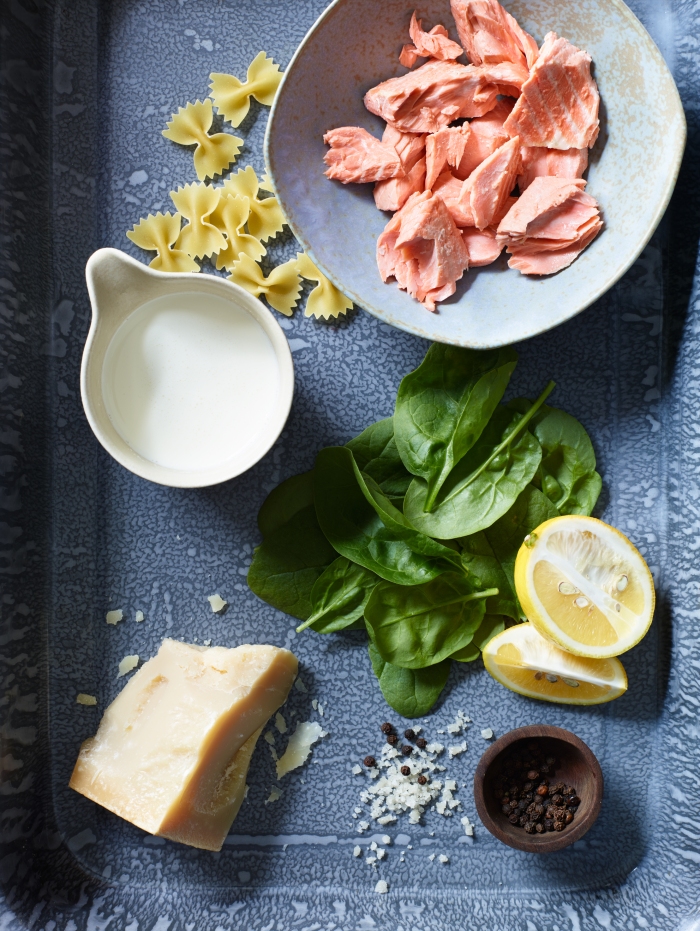
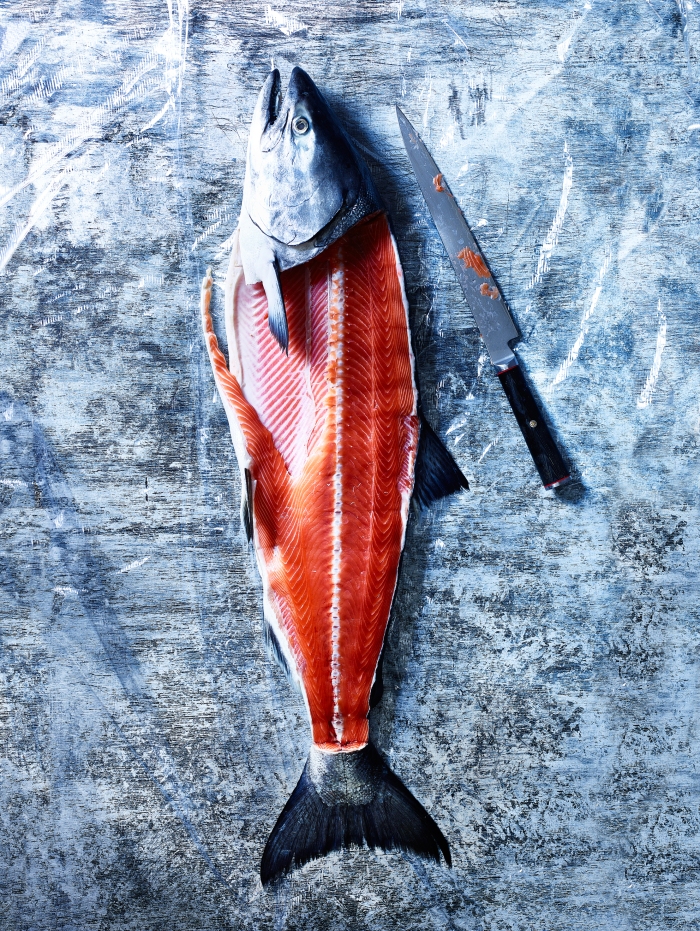
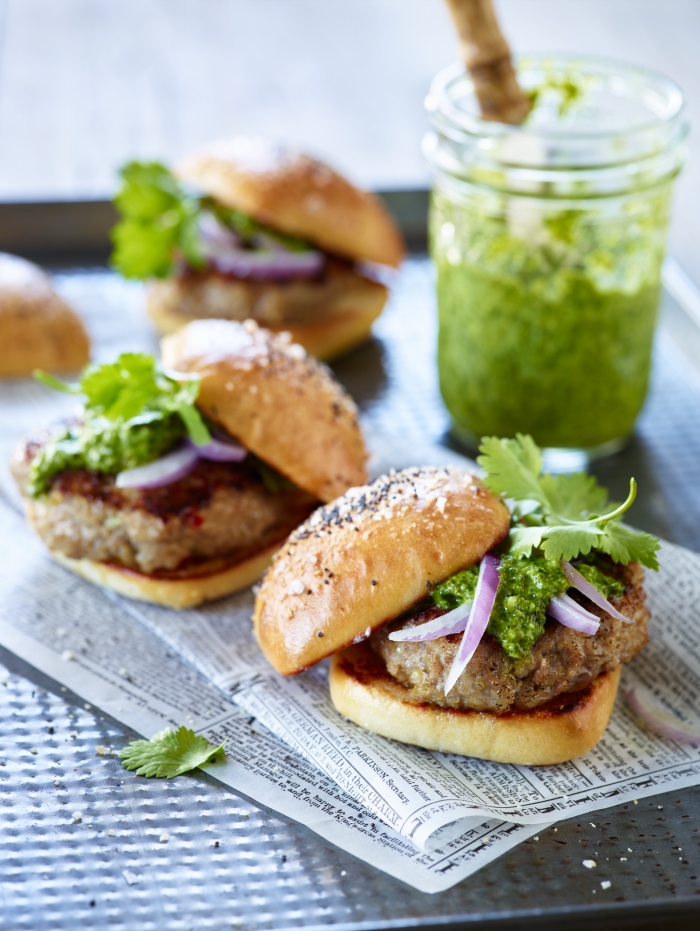
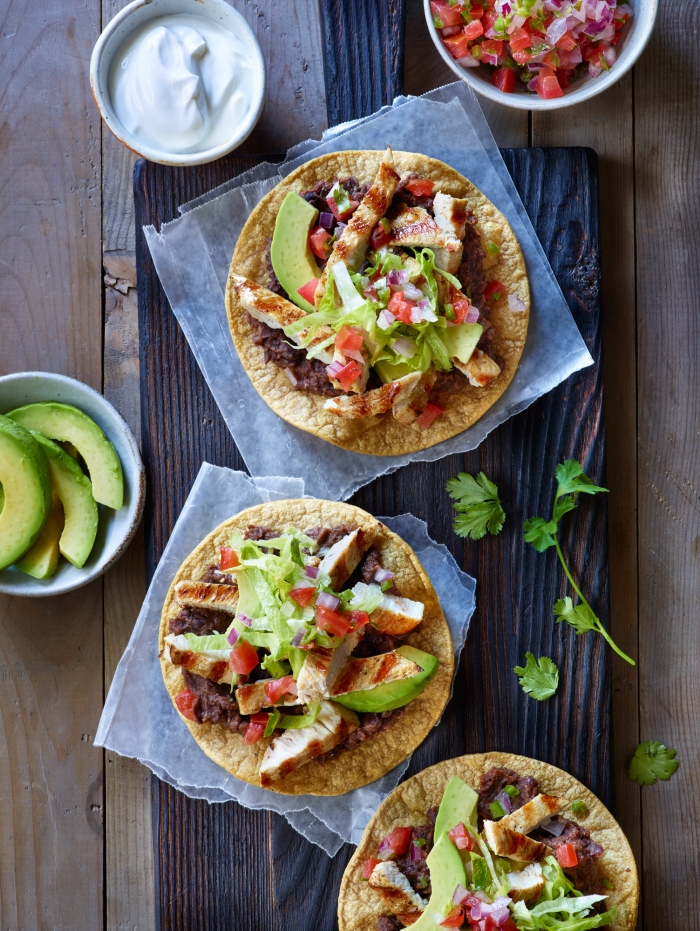
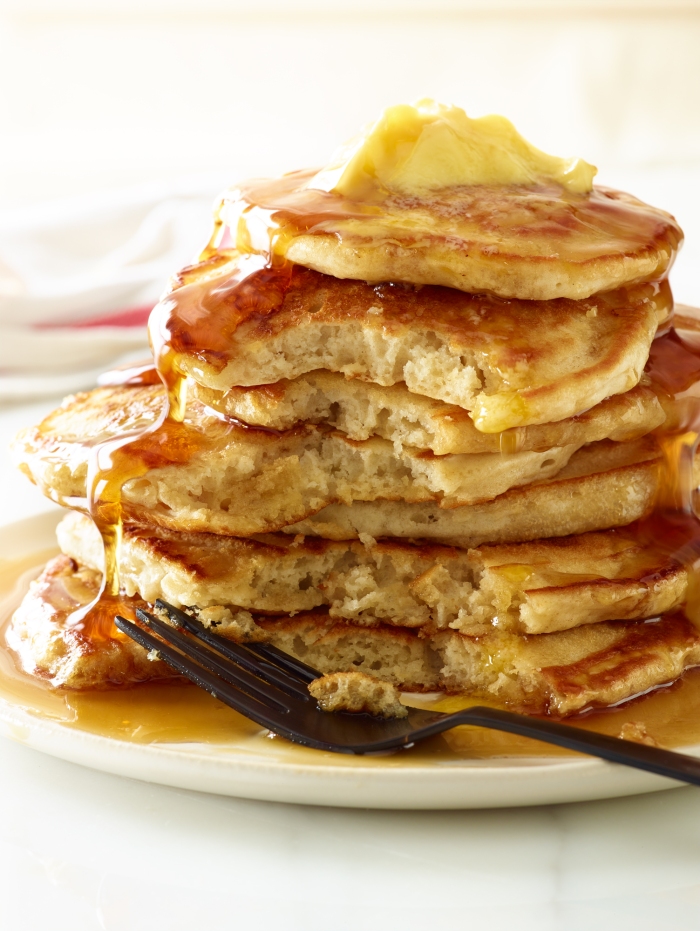
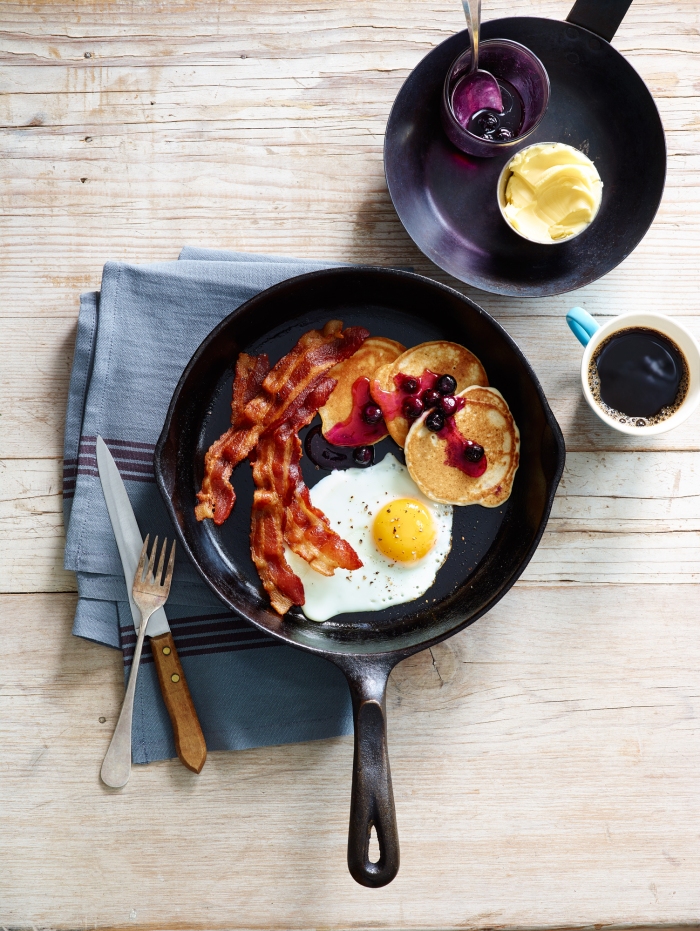
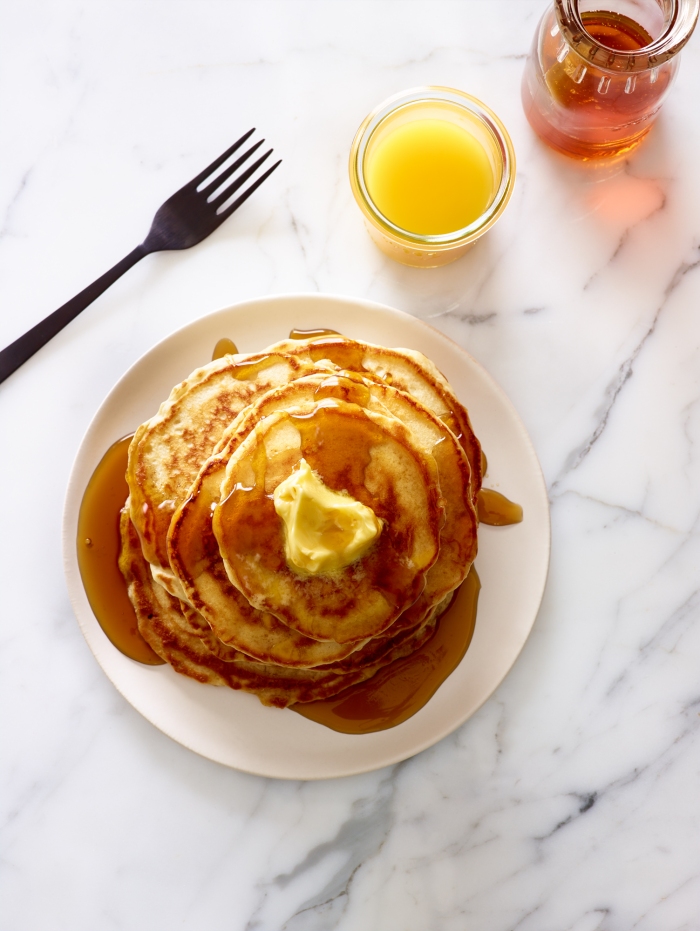
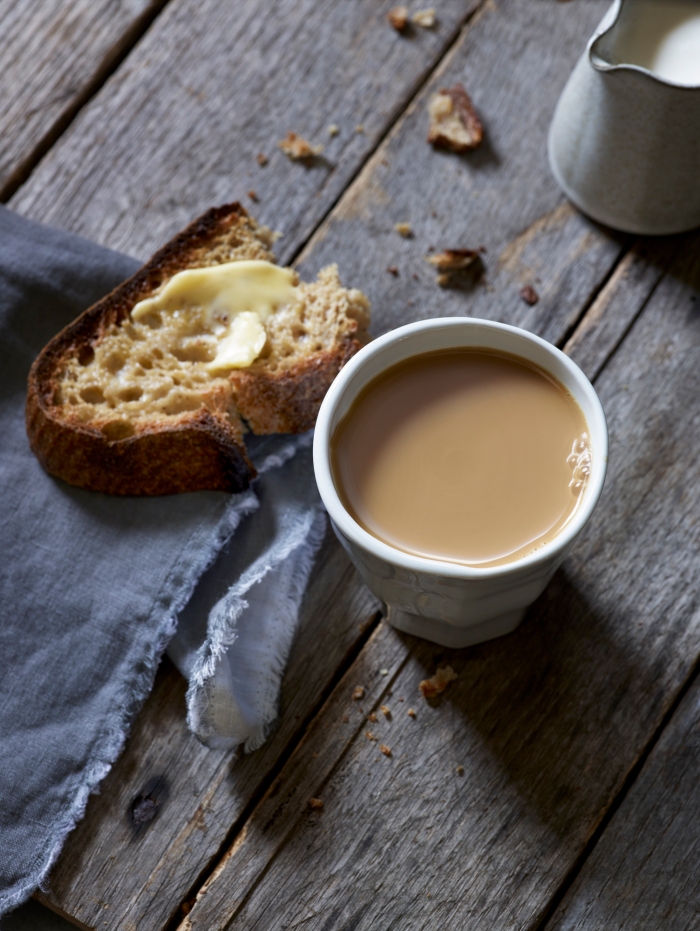
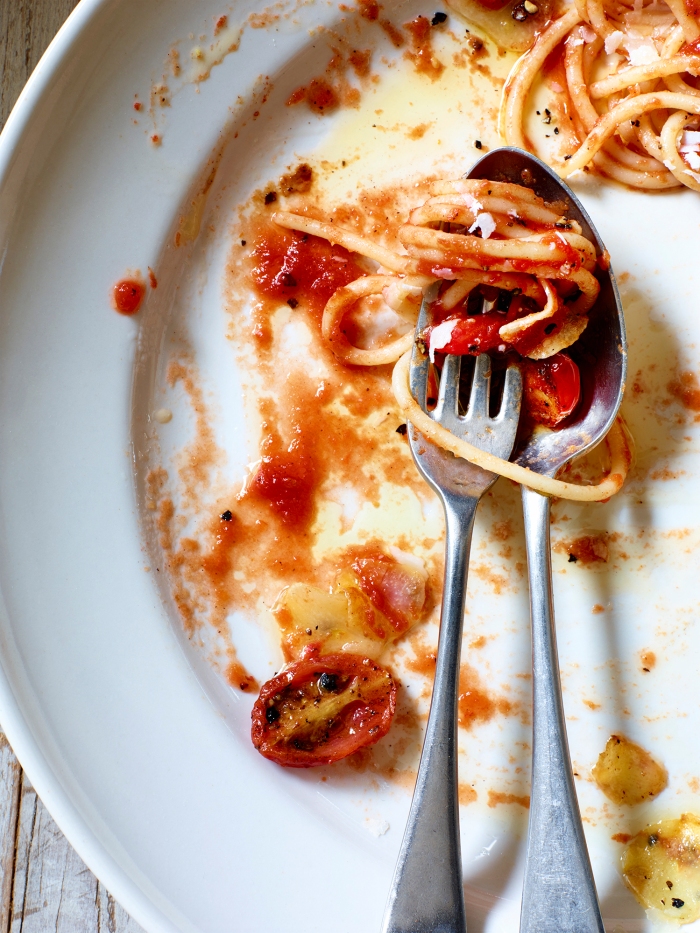
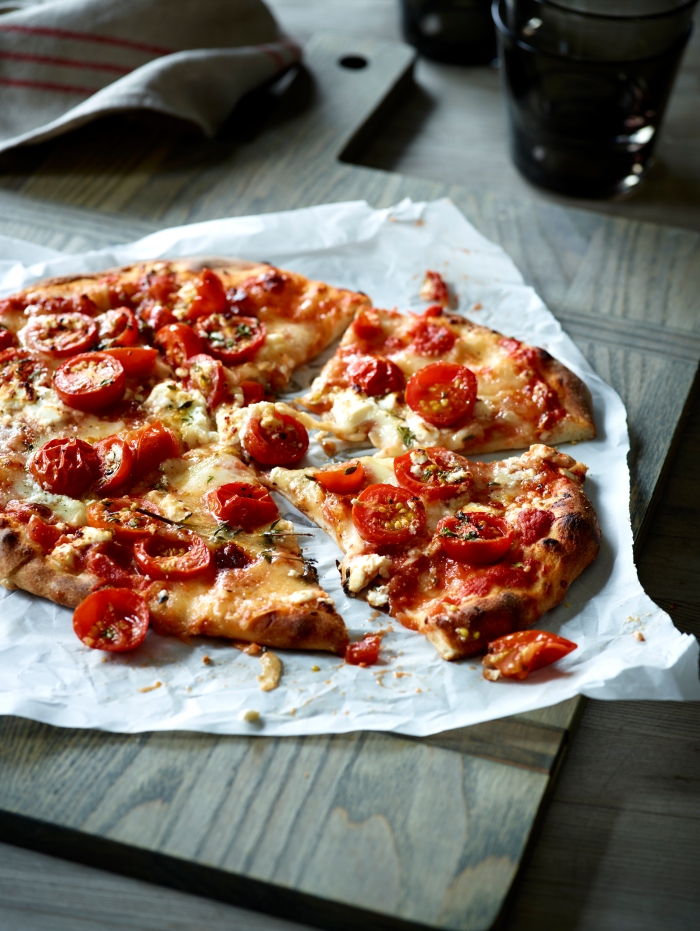
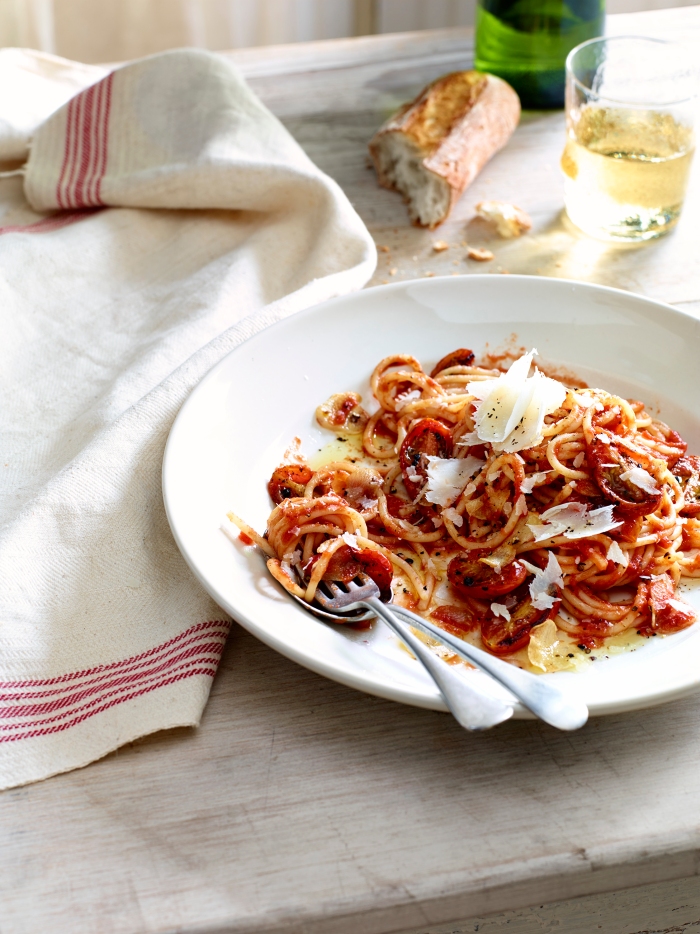
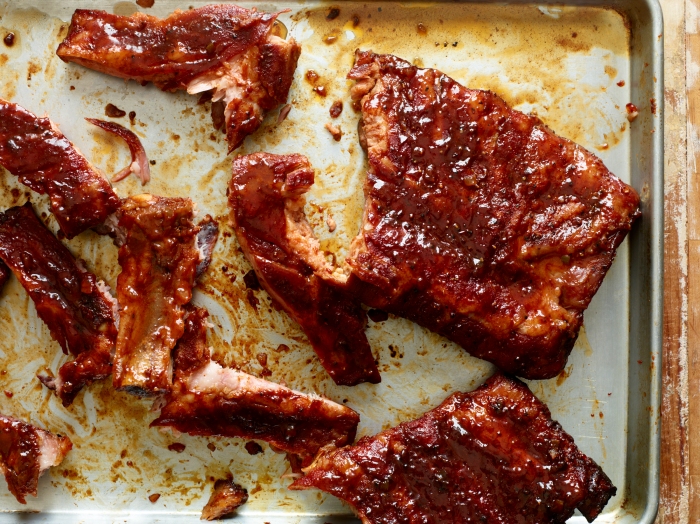
Farfalle_Salmon_20063Filleted_Salmon_19598Quinoa_Turkey_Sliders_18639Turkey_Tostada_18573Pancake Bite Out_17456PancakeBfastSKillet_17543PancakeStackOverheadV1_17443Coffee_Cream_Cup_Toast_16081ForkSpaghetti32725TomatoThymeFetaPizza_v2_12543Spaghetti_Tomatoes_32709Plums_v2_21661Champion_Ribs_V2_4088